Affordable Electronics Recycling Services for Schools
The Ultimate Guide to E-Waste Recycling: Why It Matters and How to Get Started
Electronic waste recycling represents a critical yet frequently neglected component of contemporary sustainability. Given the rapid progression of technology, enormous quantities of electronic waste gather each year, presenting serious environmental threats. Understanding the nuances of e-waste disposal can empower individuals to make informed choices. This resource not only details efficient recycling methods but also copyrightines the wider consequences for both the environment and economy. The journey toward responsible e-waste management begins with a few critical steps.
Everything You Should Know About E-Waste
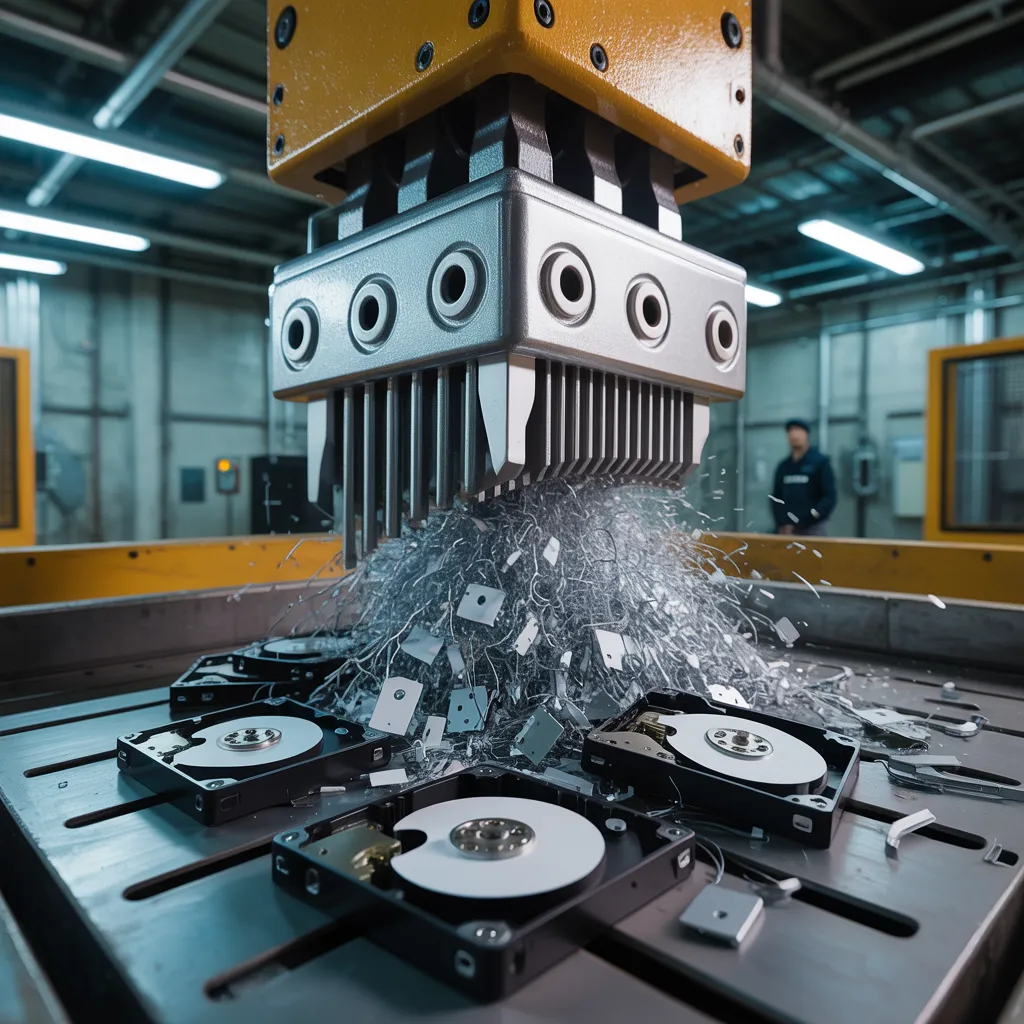
E-waste, or electronic waste, refers to discarded electrical and electronic devices, and grasping its impact is essential in the modern digital era. The swift development of technology has caused a considerable surge in e-waste accumulation, with tens of millions of tons generated each year. This waste often contains hazardous materials such as lead, mercury, and cadmium, creating substantial environmental and public health dangers if not disposed of correctly.
Moreover, valuable materials like rare earth metals, gold, and copper are present in these gadgets, which can be extracted through recycling processes. Nevertheless, a large portion of electronic waste ends up in landfills, worsening environmental pollution and resource loss. Understanding of correct disposal practices and the value of recycling can address these problems, encouraging a more sustainable perspective on technology use. Grasping electronic waste is necessary for promoting responsible practices and advancing impactful recycling efforts within communities.
Your First Steps to E-Waste Recycling
Choosing to take action on recycling electronic waste can significantly influence environmental health and individual responsibility. To start, individuals should assess their unused or broken electronics, categorizing items such as smartphones, laptops, and printers. This approach assists in determining the quantity of electronic waste that must be managed. Next, researching local recycling programs is crucial. Numerous neighborhoods provide dedicated drop-off points or scheduled collection drives for electronic waste.
Individuals ought to become aware of the items that qualify and do not qualify for recycling, as guidelines vary by location. Upon finding the right recycling options, carefully securing the items for transportation guarantees safety and minimizes damage. Finally, it is essential to track the disposal process, verifying that certified recyclers manage the e-waste. By taking these initial steps, people help build a greener tomorrow while handling their electronic waste with care.
The Ecological Effects of E-Waste Recycling
Though commonly disregarded, the environmental significance of recycling e-waste is significant and wide-ranging. Effective e-waste recycling works to prevent hazardous materials, such as cadmium, lead, and mercury, from contaminating soil and water sources. These dangerous toxins can cause significant health dangers for people and wildlife alike. By recycling, precious materials like gold, copper, and silver are extracted, decreasing the demand for mining and decreasing the overall carbon emissions associated with resource extraction.
Furthermore, responsible e-waste recycling decreases landfill usage, where decaying electronic components leak hazardous materials. It supports a circular economy through the advancement of sustainable methods, urging manufacturers to incorporate recyclability into product development. Beyond that, recycling contributes to reduced greenhouse gas emissions by minimizing energy demands compared to new material production. Overall, the environmental benefits of e-waste recycling underscore its critical role in promoting a healthier planet and ensuring responsible management of electronic resources.
Economic Gains from E-Waste Recycling
E-waste recycling provides substantial financial benefits, especially in terms of job creation and resource recovery. By building dedicated recycling infrastructure, local communities can create job openings while supporting eco-friendly initiatives. Moreover, extracting useful resources from discarded electronics decreases reliance on fresh raw material extraction, resulting in substantial financial savings.
Work Creation Possibilities
Repurposing e-waste not only resolves ecological challenges but also functions as a powerful engine for job development. The e-waste recycling industry generates a variety of employment opportunities, ranging from collection and sorting to processing and refurbishing electronic devices. As interest in environmentally responsible approaches rises, this field is broadening its scope, demanding expert workers in technology, engineering, and distribution. Regional economies gain advantages as employment opportunities frequently emerge in communities with elevated joblessness, promoting neighborhood advancement. Moreover, companies engaged in electronic waste recycling are able to encourage creativity and new ventures, nurturing a sustainable economic model. By supporting e-waste efforts, governing bodies and enterprises not only champion environmental responsibility but also bolster economic stability through valuable work opportunities.
Resource Recovery Savings
The electronic waste recycling sector not only produces job opportunities but also delivers considerable economic benefits through resource recovery savings. By recovering precious materials including gold, silver, and copper from obsolete electronics, recycling reduces the demand for raw resource extraction, which is frequently expensive and harmful to the environment. This approach reduces manufacturing costs for producers, ultimately leading to reduced prices for consumers. Moreover, the energy savings associated with recycling e-waste can be substantial, reducing overhead costs for companies and enhancing overall economic productivity. Beyond this, as global demand for electronic devices continues to rise, effective material recovery from e-waste grows ever more critical for maintaining supply chains and strengthening economic resilience. Consequently, e-waste recycling stands as a sound investment for the economy and the environment alike.
Where You Can Recycle Your Old Electronics
Wondering where to dispose of outdated electronics responsibly? Numerous options exist for recycling old devices, ensuring both environmental protection and resource recovery. Local recycling centers often accept a variety of electronics, such as laptops, mobile phones, and televisions. Several cities and towns also arrange scheduled e-waste drop-off events, providing a convenient way for residents to recycle items safely.
Major retailers like Best Buy and Staples provide take-back initiatives, permitting shoppers to hand in their outdated electronics when acquiring new products. Some manufacturers provide mail-in recycling programs, enabling consumers to send their outdated devices directly to designated facilities. Non-profit entities can also receive contributions of operational electronic devices, extending their lifespan while supporting community initiatives.
Debunking Myths About E-Waste Recycling
While many individuals assume that e-waste recycling is inadequate, the reality is that properly managed programs can considerably reduce environmental harm. A common misconception is that e-waste winds up in landfills regardless of recycling efforts. In truth, established recycling centers reclaim important components and responsibly eliminate hazardous components.
A common misconception claims that disposing of electronics through recycling is too difficult or pricey. Nevertheless, numerous local initiatives provide free drop-off locations, ensuring accessibility for all individuals. Some also provide convenient pickup options.
Additionally, certain individuals assume that every piece of e-waste is recyclable, but not all items can be recycled due to specific materials involved. Being aware of local recycling guidelines is important.
To conclude, a common misconception is that e-waste recycling cannot contribute to job creation. The truth is, the recycling industry generates thousands of positions, contributing positively to the economy while promoting environmental sustainability. By dispelling these false beliefs, people can take informed action about e-waste recycling.
Common Questions and Answers
Are Batteries Accepted With My E-Waste Recycling?
Batteries are not suitable for recycling with e-waste. They require separate handling due to hazardous materials. Appropriate disposal methods involve dedicated recycling centers or specially organized collection events for batteries, guaranteeing safe and eco-friendly processing.
What Occurs to My Data During the Recycling Process?
Throughout the recycling process, sensitive data on devices may be at risk without proper erasure. Established recycling companies use specialized methods to confirm thorough data removal, protecting sensitive data from unauthorized recovery or exploitation.
Is E-Waste Recycling Subject to Legal Regulation?
Electronic waste recycling is regulated by a range of laws and regulations that vary by geographic location. Such regulations are designed to ensure safe disposal, protect the environment, and handle hazardous materials responsibly during the recycling process.
Are There Any Charges for Recycling Electronics?
Several electronic waste recycling centers may charge fees for processing certain items, with particular attention to specific types like TVs or monitors. However, certain centers offer free recycling, generally backed by manufacturer-sponsored programs or local programs advocating for responsible disposal.
How Do I Encourage E-Waste Recycling in My Local Community?
To promote e-waste recycling across the Learn more community, community members can coordinate outreach campaigns, work alongside local businesses to facilitate disposal events, and utilize social media to share educational material about the benefits to the environment and responsible disposal practices.